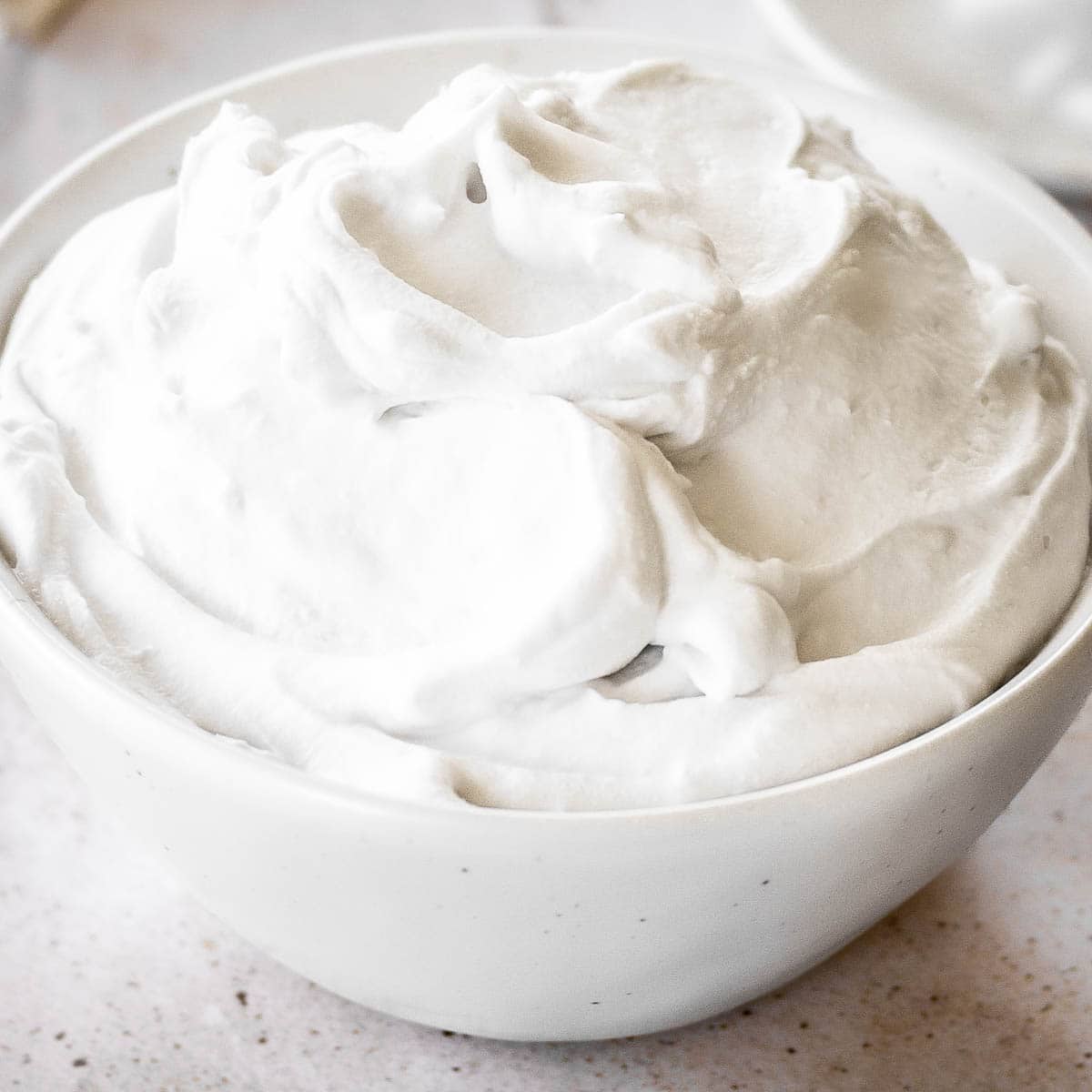
Vegan Coconut Whipped Cream: Your 5-Minute Solution for Any Dessert
Tired of store-bought dessert toppings that fall flat, or searching for a truly delightful dairy-free alternative? Look no further! This comprehensive guide will equip you with the knowledge to create the most exquisite
homemade coconut whipped cream in just 5 minutes. Forget runny, bland, or chemically tasting substitutes. Our recipe delivers a light, fluffy, naturally sweetened, and utterly delicious vegan whipped topping that rivals its dairy counterpart in every way, making it the perfect crown for any dessert.
Why You'll Fall in Love with Homemade Coconut Whipped Cream
This isn't just another recipe; it's a game-changer for anyone embracing a plant-based lifestyle, managing dairy allergies, or simply seeking a healthier, refined sugar-free option. The reasons to adore this vegan whipped cream are plentiful:
*
Truly Dairy-Free & Vegan: Made entirely from plant-based ingredients, it's a staple for any vegan kitchen and a safe bet for those with lactose intolerance or dairy allergies. It’s also effortlessly Paleo-friendly, and if you skip the sweetener, it’s even Whole30-compliant.
*
Naturally Sweetened Perfection: Say goodbye to refined sugars! We use natural sweeteners like maple syrup, giving you full control over the sweetness level and adding a subtle depth of flavor without being overpowering.
*
Surprisingly Simple Ingredients: You'll be amazed that such a luxurious topping comes from just a handful of readily available pantry staples: full-fat coconut cream, maple syrup, vanilla extract, and a pinch of salt.
*
Reliably Fluffy, Never Runny: One of the biggest frustrations with homemade dairy-free whipped cream can be its tendency to be watery or separate. Our method, combined with crucial tips, ensures a stable, luscious texture that holds its shape beautifully. No more embarrassing dessert mishaps!
*
Versatile & Delicious: From a simple dollop on fresh berries to an elegant swirl on a holiday pie, a generous topping for hot cocoa, or a delightful dip for fruit, this vegan coconut whipped cream enhances virtually any sweet treat. Its rich, subtly coconutty flavor and creamy texture are simply irresistible.
Embrace the simplicity and satisfaction of creating your own plant-based whipped cream that's not only easy to make but consistently delivers on flavor and texture.
Essential Ingredients for Flawless Vegan Coconut Whipped Cream
The secret to a successful batch of
homemade coconut whipped cream lies in selecting the right ingredients. Each component plays a vital role in achieving that perfect fluffy consistency and delectable taste.
*
Full-Fat Coconut Cream (The Star of the Show): This is the most critical ingredient. You *must* use unsweetened, full-fat coconut cream. It’s imperative not to confuse it with coconut milk (which is too liquidy) or "cream of coconut" (which is often sweetened and meant for cocktails). Look for cans that specify "coconut cream" or, if using full-fat coconut milk, ensure it has a high-fat content and is known for separating well. *Crucially, avoid brands that list gums or emulsifiers (like guar gum, xanthan gum, or carrageenan) high up in the ingredient list, as these can prevent the cream from firming up properly.* For best results, seek out brands with minimal ingredients – ideally just coconut extract and water. Some popular brands known to work well include Savoy, Arroy-D, and Trader Joe's organic full-fat coconut milk.
*
Maple Syrup (Your Natural Sweetener): We opt for pure maple syrup for its delightful flavor and refined sugar-free nature. It adds sweetness without overwhelming the delicate coconut taste. Feel free to adjust the amount to your preference. For those looking for a strictly sugar-free option, monk fruit-based sweeteners, erythritol, or a touch of stevia can be excellent alternatives. Other natural sweeteners like agave nectar or date syrup can also work.
*
Vanilla Extract (Aromatic Magic): A good quality vanilla extract adds warmth, depth, and a classic dessert aroma that elevates the entire experience. For an extra touch of gourmet appeal, consider using vanilla bean paste, which will also leave tiny, beautiful specks of vanilla in your whipped cream.
*
Fine Sea Salt (The Flavor Balancer): A small pinch of fine sea salt might seem counterintuitive in a sweet recipe, but it's a culinary secret. It perfectly balances the sweetness, enhances the other flavors, and prevents the whipped cream from tasting flat. Don't skip it!
Your 5-Minute Guide to Perfect Homemade Coconut Whipped Cream
Making your own vegan whipped cream is surprisingly simple, but a few key steps ensure a flawless outcome every time. Here's your quick guide:
Step 1: Chill to Perfection
This is perhaps the most important step! Place your unopened can of full-fat coconut cream in the refrigerator for at least 2 hours, but ideally overnight (12-24 hours). The goal is for the thick cream to separate completely from the liquid and solidify at the top of the can. *Do NOT shake the can at all during or after chilling.* For an even better whip, consider chilling your mixing bowl and electric hand beater attachments in the fridge or freezer for 15-20 minutes before you begin. Cold tools help the cream whip faster and achieve a firmer texture. This expert tip is further elaborated on in our article,
How to Make Perfect Coconut Whipped Cream: Dairy-Free & Fluffy.
Step 2: Scoop the Hardened Cream
Once thoroughly chilled, carefully open the can without tipping it. You should see a thick, solid layer of cream at the top, with clear coconut water underneath. Gently scoop *only* the hardened, opaque coconut cream into a medium-sized mixing bowl. Be precise and try to leave as much of the clear liquid behind as possible. Reserve this liquid; it can be used in smoothies, curries, or to adjust the consistency of your whipped cream later.
Step 3: Whip it Good!
Using electric hand beaters, start beating the hardened coconut cream on low speed initially to break it down, then increase to high speed. Beat for 1-2 minutes until the cream becomes smooth and creamy. Once smooth, add your maple syrup, vanilla extract, and pinch of fine sea salt. Continue beating on high speed for another 2-3 minutes, or until the mixture becomes light, fluffy, and forms soft to medium peaks, similar to traditional whipped cream.
Step 4: Adjust and Serve
If your **homemade coconut whipped cream** is too thick or stiff for your liking, you can add a tiny splash (1 teaspoon at a time) of the reserved liquid from the can, beating gently until you reach your desired consistency. Taste and adjust sweetness if necessary.
Your freshly made vegan coconut whipped cream is now ready to adorn any dessert! Spoon it generously onto pies, dollop it over fresh berries, swirl it into a warm mug of hot cocoa, or use it to elevate your morning pancakes or waffles.
Troubleshooting: Why Your Coconut Whipped Cream Isn't Whipping Up
If your **homemade coconut whipped cream** isn't turning out as expected, don't despair! Here are the most common culprits and how to avoid them:
*
You Used Coconut Milk, Not Cream: Coconut milk has a higher water content and won't separate sufficiently to yield enough thick cream for whipping. Always ensure you're using full-fat coconut *cream* or a very high-fat coconut milk specifically known for good separation.
*
Emulsifiers and Gums Are the Enemy: As mentioned, ingredients like guar gum or xanthan gum can prevent the cream from firming up. Always check the ingredient list for simple, clean products. For more in-depth advice on avoiding this issue, read
Say Goodbye to Runny Coconut Whipped Cream: Expert Tips.
*
Insufficient Chilling: If the cream isn't rock-solid firm when you scoop it, it won't whip properly. Pop it back in the fridge for several more hours, or even overnight. Patience is key!
*
Warm Bowl or Beaters: Warm equipment can melt the delicate coconut fats, hindering the whipping process. Always use chilled tools for the best results.
*
Over-Whipping (Less Common): While rare with coconut cream compared to dairy, over-whipping can sometimes cause a slightly grainy texture. If this happens, try stirring gently by hand to smooth it out, or add a tiny bit of liquid.
*
Old or Poor Quality Can: Occasionally, the issue might simply be the brand or age of the coconut cream. Some brands are simply better than others for whipping. Experiment until you find your favorite.
Conclusion
Creating your own **homemade coconut whipped cream** is a culinary triumph that's surprisingly simple to achieve. In just 5 minutes, you can transform a can of humble coconut cream into a luscious, dairy-free, and naturally sweetened topping that will impress even the most discerning palates. It's the perfect vegan solution for elevating any dessert, from the everyday to the extraordinary. With our comprehensive guide and troubleshooting tips, you're now equipped to enjoy light, fluffy, and reliably delicious coconut whipped cream whenever the craving strikes. So go ahead, whip up a batch, and treat yourself to a little plant-based indulgence!